
♦ANIME WORLD TWIXTOR CLIPS♦
Download Anime Twixtor for Edits : https://www.animeworldtwixtor.com/popular-anime-twixtor/
Download Free Movies Clips & Twixtor For Edits : https://moviestwixtor.com/
Download Anime Clips For Edits : https://www.animeworldtwixtor.com/anime-clips-raw/
Subscribe to Youtube Channel For More Clips & Twixtors : https://www.youtube.com/@Animeworld_ss
Text Me on Instagram To Request Twixtor / Clips / Promotion : RDJ EDITS / ANIMEWORLD
Saitama vs Garou Manga Twixtor
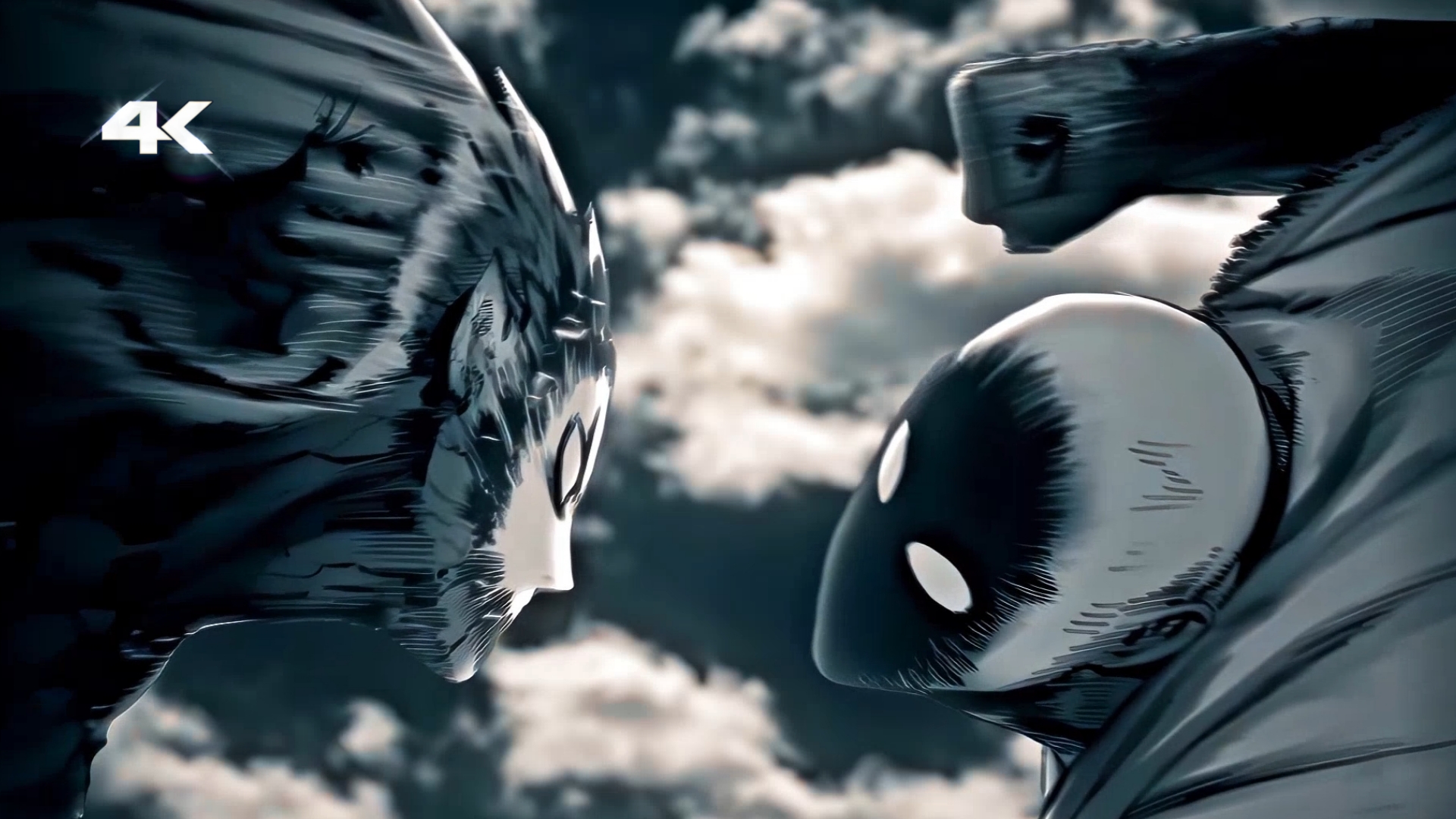
The battle between Saitama and Garou in One Punch Man stands as one of the most iconic and cinematic confrontations in anime and manga history — a clash not just of strength, but of ideals, identity, and humanity itself. In the Twixtor-style edit format, this fight becomes a visual masterpiece: every punch, every flash of light, every slow-motion impact captures the weight of two titans colliding — one driven by justice, the other by chaos.
Garou, known as the Hero Hunter, begins his journey as a man who despises the hypocrisy of the world’s hero society. He believes that heroes are praised while monsters are condemned, even though both are products of circumstance. Fueled by this belief, Garou sets out to become the ultimate monster — a symbol of fear that would expose the flaws of heroism. As his battles progress, Garou’s strength grows exponentially. He defeats powerful heroes, learns their techniques, and evolves with every fight. His transformation from a man into a near-divine being of destruction becomes the embodiment of human potential twisted by resentment.
Saitama, on the other hand, represents the opposite extreme. A hero who fights “for fun,” he carries no ideology, no moral superiority — just unshakable calm and unmatched power. His strength has long surpassed human limits, and because of that, he has lost the thrill of battle. Where Garou seeks meaning through power, Saitama seeks meaning beyond it. Thus, when their paths finally cross, it’s more than a physical confrontation — it’s a collision between two philosophies. Saitama vs Garou Manga Twixtor V Saitama vs Garou Manga Twixtor Saitama vs Garou Manga Twixtor Saitama vs Garou Manga Twixtor Saitama vs Garou Manga Twixtor Saitama vs Garou Manga Twixtor
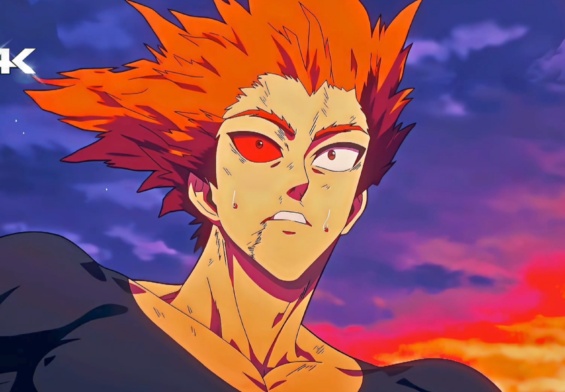
In a Twixtor edit, the fight unfolds like a ballet of destruction. The slow-motion visuals emphasize the sheer magnitude of their power. You see the air bend with each blow, shockwaves distorting the environment, debris floating midair as their fists connect. Garou, now in his Cosmic Fear Mode after receiving power from “God,” glows with divine energy — his body a fusion of monstrous design and celestial terror. His movements are fluid yet terrifying, every strike carrying the weight of his obsession with defeating heroes.
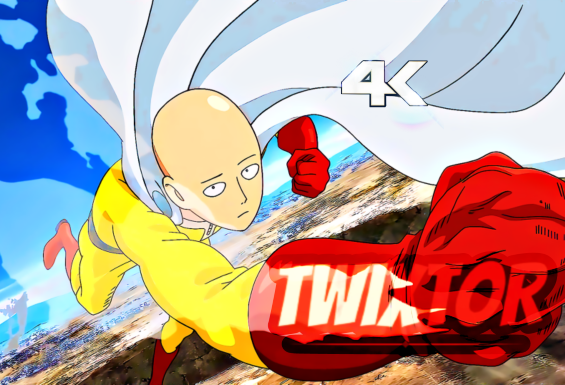
Saitama, however, remains calm, his yellow suit fluttering in the cosmic winds as if mocking the intensity of the battle. Each of his counters is effortless, every punch precise and devastating. The Twixtor effect highlights this contrast: Garou moves like chaos incarnate, while Saitama’s simplicity radiates dominance. When the two exchange punches, time seems to stop — the slow-motion reveals the trembling of the planet, the break in the atmosphere, and the silent explosion of raw energy. Saitama vs Garou Manga Twixtor
Their fight transcends Earth itself. They leap into space, clashing among stars, their blows warping the fabric of the cosmos. In one breathtaking sequence, Garou mimics Saitama’s own “serious punch,” creating a parallel of equals — or so it seems. The Twixtor editing style captures this symmetry perfectly: two lights streaking across space, colliding with such intensity that it’s almost poetic. But when Saitama finally unleashes his true power, the difference becomes undeniable. His “Serious Serious Punch” shatters Garou’s hope completely, ending the illusion of parity in a single devastating instant.
Yet, the emotional core of the battle lies not in their punches but in what follows. As Garou collapses, defeated, he realizes that Saitama isn’t a hero for fame or recognition — he’s a hero because it’s who he is. Garou’s monstrous ideals crumble, replaced by regret and understanding. Saitama, instead of gloating, sympathizes with him. When Garou accidentally causes massive destruction through his actions, Saitama even uses time travel (triggered through Garou’s cosmic power) to undo the tragedy. It’s a gesture of compassion that defines true heroism — mercy after overwhelming victory.
In a Twixtor edit, this ending would be shown in ethereal slow motion — the reversal of time, Garou’s tears glistening, Saitama’s calm face illuminated by cosmic light. The rhythm slows, music swells, and the fight concludes not with violence, but with quiet redemption.
The Saitama vs Garou battle is more than a showcase of godlike power; it’s a story about what it means to be human. Garou’s ambition to become the ultimate monster contrasts with Saitama’s effortless humanity. The Twixtor lens transforms their confrontation into visual poetry — a dance between despair and hope, chaos and peace. In the end, Saitama’s strength is absolute, but his greatest victory lies not in defeating Garou, but in reminding him — and the audience — that true heroism isn’t about power. It’s about heart, humility, and the will to do what’s right, even when no one is watching.