
♦ANIME WORLD TWIXTOR CLIPS♦
Download Anime Twixtor for Edits : https://www.animeworldtwixtor.com/popular-anime-twixtor/
Download Free Movies Clips & Twixtor For Edits : https://moviestwixtor.com/
Download Anime Clips For Edits : https://www.animeworldtwixtor.com/anime-clips-raw/
Subscribe to Youtube Channel For More Clips & Twixtors : https://www.youtube.com/@Animeworld_ss
Text Me on Instagram To Request Twixtor / Clips / Promotion : RDJ EDITS / ANIMEWORLD
Hantengu Twixtor
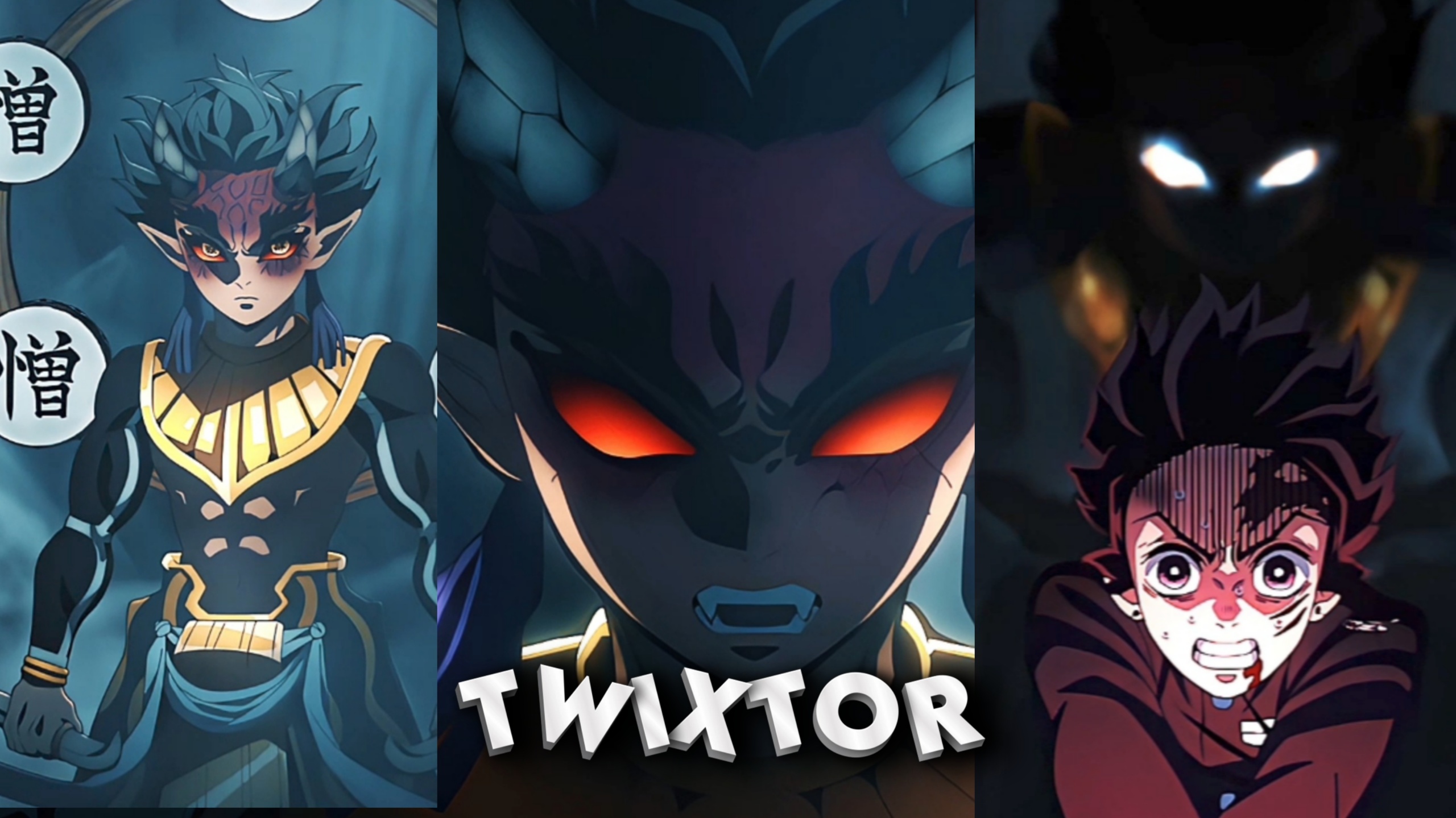
Upper Moon Four – Hantengu, the Demon of Fear and Division
Upper Moon Four, known as Hantengu, is one of the most disturbing and psychologically complex demons in Demon Slayer. Unlike other Upper Moons who display pride, arrogance, or brutal confidence, Hantengu is driven entirely by fear, cowardice, and self-pity. Yet behind this pitiful personality lies one of the most dangerous and deceptive powers in the entire demon hierarchy. His character proves that weakness in spirit does not always equal weakness in destruction.
At first glance, Hantengu appears small, fragile, and constantly terrified. He trembles, cries, and begs for mercy, always claiming that he is being unfairly punished. He insists that he has never done anything wrong, even when surrounded by the evidence of his cruelty. This false innocence is not just an act—it reflects his twisted belief that he is always the victim, no matter how much suffering he causes. This mindset makes him one of the most unsettling villains in the series.
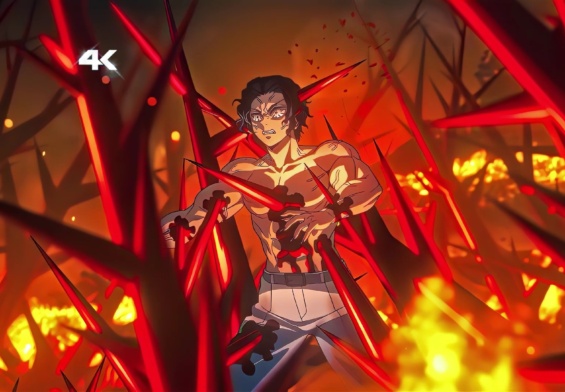
Hantengu’s true terror comes from his Blood Demon Art, which allows him to split into multiple clones that embody specific emotions. These forms—each representing anger, joy, sorrow, and pleasure—are far stronger and more aggressive than his original body. Each clone possesses unique abilities, elemental powers, and distinct personalities. Together, they fight with deadly coordination, overwhelming even skilled Demon Slayers through sheer diversity and relentless pressure.
These emotional manifestations are more than just combat tools—they are shaped by Hantengu’s broken psychology. His fear creates strength. His hatred produces violence. His twisted pleasure fuels destruction. While most demons grow stronger through confidence and dominance, Hantengu becomes more dangerous the more terrified and cornered he feels. This inversion of power dynamics makes him unpredictable and difficult to defeat.
As the battle escalates, Hantengu reveals an even more horrifying evolution. When his emotional clones merge, they form a far stronger entity that combines speed, raw power, and devastating techniques. This fusion represents the collapse of his divided emotions into a single force of destruction. Yet even at his strongest, Hantengu’s original personality remains cowardly and desperate, hiding away while his emotions fight in his place.
What makes Upper Moon Four especially dangerous is his ability to avoid death through deception. His true body is incredibly small and well-hidden, forcing his opponents into a desperate hunt while being constantly attacked by his clones. This survival tactic reflects his core nature: he does not seek honor or dominance—he only seeks to escape consequences. Even as an Upper Moon, his greatest instinct is to run, hide, and deny responsibility.
Narratively, Hantengu represents a unique form of evil. He is not driven by ambition, revenge, or power alone. He is driven by refusal—refusal to accept guilt, refusal to face punishment, and refusal to acknowledge the suffering he causes. Unlike demons who embrace their monstrous nature, Hantengu clings to the illusion of innocence until his final moments. This makes his downfall deeply symbolic.
The final stage of Hantengu’s defeat reveals his past and exposes the truth behind his victim complex. Even as a human, he avoided responsibility, blamed others for his crimes, and manipulated sympathy to escape consequences. Becoming a demon did not change his nature—it amplified it. His immortality allowed him to continue running forever, until the Demon Slayers finally stripped away his illusions.
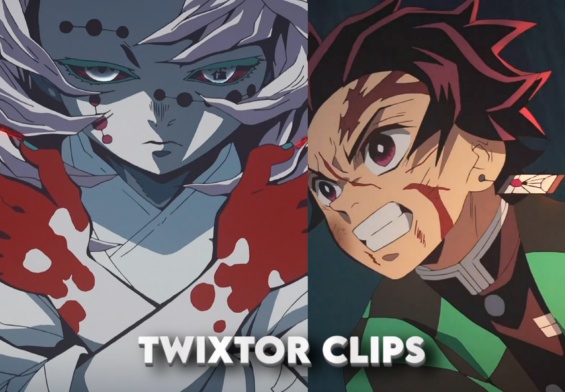
The battle against Upper Moon Four pushes Tanjiro and his allies to their limits not just physically, but emotionally. They are forced to fight an enemy who does not confront them directly, who hides behind others, and who twists weakness into a weapon. Defeating Hantengu is not simply about strength—it requires persistence, awareness, and the refusal to be misled by appearances.
Thematically, Hantengu symbolizes the danger of self-deception. He shows how a person can justify limitless cruelty by seeing themselves as a victim. His emotional clones represent the chaos that forms when fear, hatred, and guilt are never confronted. Through him, Demon Slayer delivers a powerful message: running from responsibility only multiplies destruction.
Upper Moon Four may appear pathetic on the surface, but that is exactly what makes him terrifying. He proves that evil does not always roar—sometimes it trembles, cries, and hides behind excuses while destroying everything in its path.
In the end, Hantengu dies not as a misunderstood soul, but as a man who chose denial over redemption. His defeat is not just a victory over a demon—it is the collapse of a lifetime of cowardice. Among the Upper Moons, Hantengu stands as proof that fear itself can be one of the most dangerous weapons of all.