
♦ANIME WORLD TWIXTOR CLIPS♦
Download Anime Twixtor for Edits : https://www.animeworldtwixtor.com/popular-anime-twixtor/
Download Free Movies Clips & Twixtor For Edits : https://moviestwixtor.com/
Download Anime Clips For Edits : https://www.animeworldtwixtor.com/anime-clips-raw/
Subscribe to Youtube Channel For More Clips & Twixtors : https://www.youtube.com/@Animeworld_ss
Text Me on Instagram To Request Twixtor / Clips / Promotion : RDJ EDITS / ANIMEWORLD
Garou Twixtor Clips
Garou, also known as the “Hero Hunter,” is one of the most complex and fascinating characters in One Punch Man. Introduced as a villain, he evolves into something much deeper: a tragic anti-hero who challenges the very idea of what it means to be a hero or a monster. Created by ONE, Garou is not just another powerful adversary for Saitama—he is a mirror reflecting society’s flaws, the hypocrisies of heroism, and the gray space between good and evil.
Garou’s backstory plays a vital role in understanding his motives. As a child, he sympathized with monsters in stories while everyone else rooted for the heroes. He saw the unfairness in how monsters were always portrayed as pure evil and how heroes were celebrated regardless of their flaws. This perspective made him an outcast, constantly bullied by peers who idolized heroes. That resentment grew into an obsession: Garou decided he would one day become a “monster” strong enough to crush heroes and challenge the order of the world.
When introduced in the Hero Association arc, Garou is already a martial arts prodigy, trained by Bang (Silver Fang), one of the top heroes. Despite his talent, his rebellious nature led him to clash with his master, and eventually, he was expelled. This rejection fueled his desire to prove himself against the very system his master represented. From then on, he began his campaign as the “Hero Hunter,” attacking heroes of all classes to demonstrate the fragility of the so-called protectors of society.
What makes Garou such a captivating antagonist is not just his strength but his philosophy. He sees heroes as flawed humans who happen to be celebrated for their power. Many heroes in One Punch Man are indeed egotistical, lazy, or driven by fame and money rather than justice. By defeating them, Garou exposes their weaknesses and challenges the blind hero worship in society. Yet, at the same time, Garou is not truly evil—he never kills indiscriminately, often sparing lives even when he has the chance to destroy. His actions, though violent, stem from his desire to reshape the world’s understanding of morality.
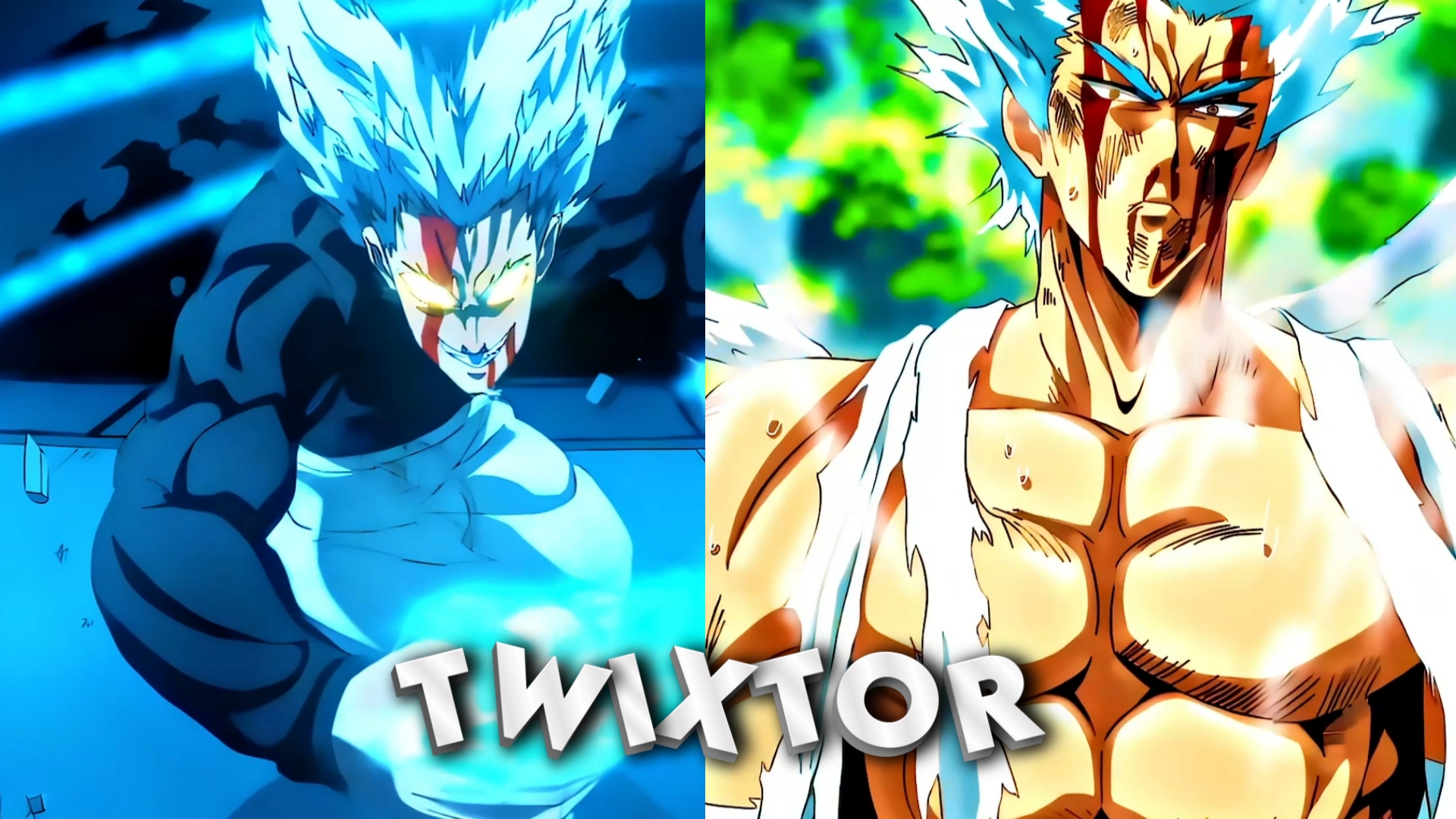
In terms of power, Garou is extraordinary. His martial arts skills are unmatched, allowing him to read movements, adapt mid-battle, and dismantle opponents far stronger than himself. Unlike most villains, Garou thrives on defeat—every time he is beaten, he evolves, becoming faster, stronger, and more resilient. This adaptability makes him one of the most dangerous opponents in the series. His ability to push past limits mirrors Saitama’s concept of limitless power, but while Saitama became overwhelmingly strong through mundane training, Garou evolves through pain, near-death experiences, and sheer willpower. Garou Twixtor Clips Garou Twixtor Clips Garou Twixtor Clips Garou Twixtor ClipsGarou Twixtor Clips Garou Twixtor Clips Garou Twixtor Clips Garou Twixtor Clips Garou Twixtor Clips Garou Twixtor Clips Garou Twixtor Clips
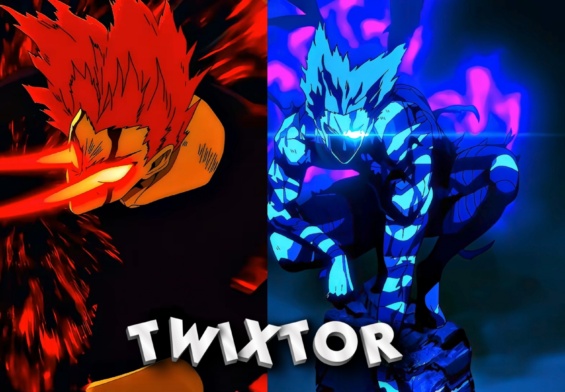
As his battles intensify, Garou gradually transforms. His body begins to change, taking on monstrous traits. Horns, claws, and a demonic aura manifest, symbolizing his descent into the very “monster” he aspired to be. Yet, this transformation is not complete corruption—it represents his inner conflict between human compassion and monstrous ideals. Even as he mutates, Garou shows empathy toward innocents, protecting children and refusing to become a mindless killer. This contradiction is what makes him one of the series’ most layered characters.
Garou’s clashes with heroes highlight both his power and his philosophy. He defeats entire squads of heroes, including high-ranking S-Class fighters, proving that the Hero Association is far from invincible. His fight with Bang is particularly emotional, as it pits a rebellious student against his concerned master. Bang does not see Garou as a monster, but as a misguided disciple who has lost his way. This relationship adds depth to Garou’s character, showing that beneath his rage is a young man still seeking recognition and belonging.
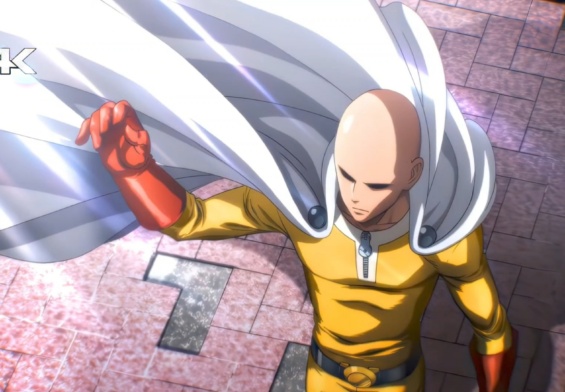
The climax of Garou’s arc comes when he faces Saitama, the one hero who cannot be defeated. Unlike the other heroes, Saitama does not judge Garou harshly; instead, he sees through his bluster and acknowledges his pain. Their battle is both physical and philosophical—Garou unleashes his full monstrous potential, yet Saitama remains unfazed. In the end, Garou realizes the futility of his path. No matter how strong he becomes, he cannot overcome Saitama, who represents the ideal of limitless strength without ego. This defeat humbles Garou and forces him to confront the flaws in his ideology.
What makes Garou’s journey so compelling is its conclusion. Rather than being killed or imprisoned, Garou is given the chance to reflect on his actions. He is not a simple villain to be destroyed, but a tragic figure who challenged society and forced heroes to reflect on their own shortcomings. His arc embodies the themes of One Punch Man: the search for purpose, the meaning of strength, and the blurry line between good and evil.
In the end, Garou stands out as one of the greatest characters in One Punch Man. He is fierce, intelligent, and deeply human, embodying both the darkness of resentment and the light of compassion. His evolution from outcast child to Hero Hunter to near-monster makes his story one of tragedy, redemption, and raw humanity.