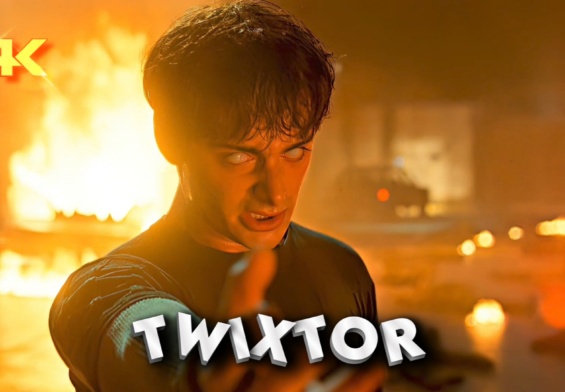


♦ANIME WORLD TWIXTOR CLIPS♦
Download Anime Twixtor for Edits : https://www.animeworldtwixtor.com/popular-anime-twixtor/
Download Free Movies Clips & Twixtor For Edits : https://moviestwixtor.com/
Download Anime Clips For Edits : https://www.animeworldtwixtor.com/anime-clips-raw/
Subscribe to Youtube Channel For More Clips & Twixtors : https://www.youtube.com/@Animeworld_ss
Text Me on Instagram To Request Twixtor / Clips / Promotion : RDJ EDITS / ANIMEWORLD
Anime Mix Clips
An anime Twixtor edit is one of the most visually stunning and popular forms of anime video editing today. Combining smooth slow-motion effects, dramatic music, and cinematic transitions, anime Twixtor edits transform regular scenes into breathtaking visual experiences. The word “Twixtor” comes from the powerful video plugin used in editing software like After Effects, Premiere Pro, and CapCut, which allows editors to create ultra-smooth slow motion by generating artificial frames between the original ones. In the anime community, Twixtor has become a signature style, symbolizing precision, emotion, and aesthetic perfection. Anime Mix Clips Anime Mix Clips Anime Mix Clips Anime Mix Clips Anime Mix ClipsAnime Mix Clips Anime Mix Clips Anime Mix Clipsv Anime Mix Clips Anime Mix Clips
The essence of an anime Twixtor edit lies in its ability to make even the simplest scene look extraordinary. Editors use scenes from popular anime like Demon Slayer, Jujutsu Kaisen, Attack on Titan, Naruto, One Piece, and Chainsaw Man, applying slow-motion effects to highlight movements, expressions, and emotions. When done right, a punch, a tear, or a transformation can look ten times more powerful. The slowed-down motion allows viewers to appreciate every detail — from the flicker of fire in Rengoku’s eyes to the ripple of Gojo’s cursed energy.
Creating a Twixtor edit requires skill, patience, and a deep sense of timing. The process starts with selecting a high-quality clip, usually in 60fps or higher, to ensure smooth frame generation. Editors then apply the Twixtor plugin, adjusting parameters like motion sensitivity and frame interpolation to achieve the desired speed and flow. The challenge lies in avoiding distortions or “warping,” which can happen when the software struggles to predict frame movement. Skilled editors overcome this by masking characters, stabilizing footage, and carefully syncing visuals with the music’s rhythm.
Music plays a massive role in Twixtor edits. The background track sets the entire mood, whether it’s a slow emotional song, an epic cinematic score, or a fast-paced beat drop. Every motion in the video is timed perfectly to match the rhythm — a sword swing hitting on the bass drop, a character turning their head as the melody changes, or a flash of light synced with a vocal rise. The synchronization between visuals and audio creates an emotional connection, making viewers feel immersed in the moment.
Most anime Twixtor edits focus on themes like power, emotion, or transformation. For example, an edit might show Luffy’s Gear 5 awakening slowed down in glowing detail, or Gojo’s “Domain Expansion” expanding frame by frame with pulsating energy. Others focus on emotional storytelling — such as Tanjiro’s tears while remembering his family or Itachi’s final goodbye to Sasuke. By slowing time, Twixtor doesn’t just enhance motion; it magnifies emotion.
What makes anime Twixtor edits so appealing is their visual perfection. Editors often color grade their clips to match the mood of the song — warm tones for hope, cold blue for sadness, and red for intensity. They add effects like motion blur, glow, and particles to give a cinematic touch. Some even combine 3D camera movements and lighting effects to make the scene feel alive. When everything comes together — music, motion, and mood — the result is nothing short of mesmerizing.
Platforms like Instagram, YouTube, and TikTok have turned anime Twixtor edits into a global trend. Short clips, usually 10–30 seconds long, can go viral quickly due to their aesthetic appeal and emotional punch. Many editors also use Twixtor to create scene packs for other creators, offering pre-edited slow-motion clips that can be used in fan edits or montages. The rise of these communities has built a creative ecosystem where editors support and inspire each other, sharing tips, presets, and effects.
Anime Twixtor edits also play a major role in fandom culture. They allow fans to express admiration for their favorite characters or moments in a creative way. A perfectly slowed-down shot of Levi spinning through Titans, or Sukuna smirking before a fight, can make fans relive the excitement and emotion of the series. Twixtor edits bridge the gap between technical skill and passion — they are art born from love for anime.
In a broader sense, anime Twixtor editing represents the evolution of fan creativity. It’s not just about slowing down a scene — it’s about transforming it into something cinematic, emotional, and unforgettable. It shows how digital art and anime culture can blend seamlessly to create something new and powerful.
Ultimately, anime Twixtor edits are about emotion in motion — freezing time just long enough to make us feel. Every frame tells a story, every beat syncs with a heartbeat, and every slow-motion moment reminds us why anime is more than animation — it’s an experience. Through Twixtor, editors don’t just show anime scenes; they make us live them again, one perfect slow-motion frame at a time.