

♦ANIME WORLD TWIXTOR CLIPS♦
Download Anime Twixtor for Edits : https://www.animeworldtwixtor.com/popular-anime-twixtor/
Download Free Movies Clips & Twixtor For Edits : https://moviestwixtor.com/
Download Anime Clips For Edits : https://www.animeworldtwixtor.com/anime-clips-raw/
Subscribe to Youtube Channel For More Clips & Twixtors : https://www.youtube.com/@Animeworld_ss
Text Me on Instagram To Request Twixtor / Clips / Promotion : RDJ EDITS / ANIMEWORLD
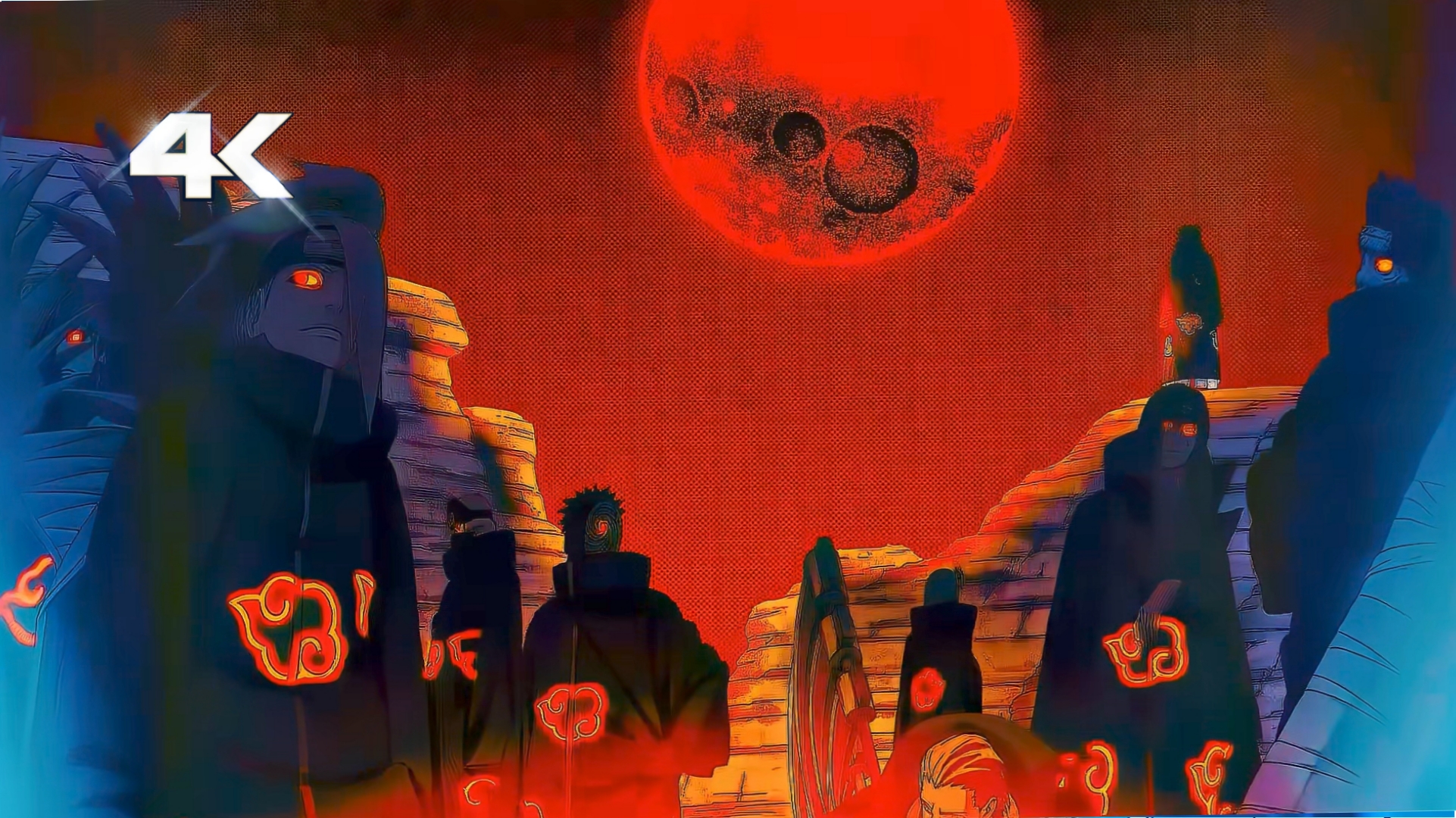
Akatsuki Manga Twixtor
Akatsuki Manga Twixtor
The Akatsuki, one of the most iconic organizations in anime and manga history, stand as the embodiment of power, ideology, and tragedy in Naruto. Each member is a legend in their own right — criminals, warriors, and dreamers bound by pain and ambition. When captured through a Twixtor edit, the Akatsuki’s dark allure transforms into a visual masterpiece — a blend of slow-motion precision, emotional storytelling, and symbolic depth. Every red cloud, every cloak flutter, and every piercing stare becomes an artful reminder of what makes the Akatsuki eternal.
From the moment they appear in the manga, the Akatsuki exude mystery and dominance. Dressed in their black cloaks with red clouds symbolizing the bloodshed of wars, they move like shadows through the shinobi world. In a manga Twixtor, this introduction becomes a haunting visual — slowed down to highlight the eerie silence of their presence, the wind rippling through their cloaks, and the glimmer of their headbands, scratched through to reject their villages. Each frame would radiate the feeling of a legend being born in darkness. Akatsuki Manga Twixtor Akatsuki Manga Twixtor Akatsuki Manga Twixtor Akatsuki Manga Twixtor Akatsuki Manga Twixtor Akatsuki Manga Twixtor Akatsuki Manga Twixtor VV Akatsuki Manga Twixtor Akatsuki Manga Twixtor V
The Akatsuki aren’t just villains; they are deeply human — each one carrying a story of suffering, betrayal, or lost purpose. A Twixtor edit can capture this duality through pacing and lighting. For instance, Itachi Uchiha’s calm eyes and tragic gaze could be slowed, emphasizing the quiet sadness behind his strength. The subtle motion of his cloak as he activates his Sharingan, the swirl of crows enveloping him — all these visuals, when rendered in slow motion, turn into poetic imagery of a man burdened by destiny.
Similarly, Pain (Nagato) becomes a cinematic focus in any Twixtor portrayal. His presence alone commands reverence — the piercings, the ripple-patterned Rinnegan eyes, and the calm yet devastating control of his powers. In slow motion, each motion of his hand while using Shinra Tensei or Chibaku Tensei can be transformed into a godlike spectacle. The world crumbles around him while he remains still — an emotionless deity watching humanity fall. The manga’s panels filled with destruction and despair can be slowed down to reveal every fragment of debris, every motion of light and shadow, as the symbol of a god punishing a broken world.
Other members shine just as vividly in a Twixtor setting. Deidara’s explosive artistry — his clay birds soaring through the air before detonating — can be slowed down to highlight every moment of beauty before destruction. The flick of his wrist, the sparkle in his manic eyes, and the explosion’s light freezing midair — all of it embodies his philosophy that art is an explosion. Kisame Hoshigaki’s feral movements, Sasori’s puppet mastery, and Konan’s graceful paper wings can each be rendered in stunning slow motion, showing the diversity of skills within the Akatsuki.
The Twixtor effect thrives on contrasts — speed and stillness, chaos and calm. In the Akatsuki’s case, this dynamic mirrors their essence. They bring death and peace, cruelty and compassion. Editors can use deep crimson tones and monochrome overlays to emphasize the organization’s somber elegance. Each red cloud can be color-enhanced to stand out vividly, symbolizing their bloodstained path. A slow pan over the group lined up — cloaks flowing, rain falling — could create one of the most powerful Twixtor moments in manga history.
Music is crucial in setting the tone. A dark orchestral score, low drums, or ambient vocals can blend perfectly with their movements. Each beat can sync with a motion — Pain raising his hand, Itachi’s Sharingan activating, or Konan’s papers swirling around her. The timing of the sound drop during a slow-motion moment — like when Pain devastates Konoha or Itachi walks into battle — turns the edit into a cinematic experience rather than a simple montage.
Beyond visuals, a Twixtor edit of the Akatsuki captures emotion — the tragedy beneath their actions. They are not evil for evil’s sake; they are broken people seeking purpose. The slow motion can pause on small moments — Itachi’s faint smile before his death, Nagato’s tear as he revives the dead, or Konan’s final stand against Obito. These scenes, when stretched in time, let viewers feel the weight of their sacrifices and convictions.
In essence, an Akatsuki manga Twixtor isn’t just a visual tribute — it’s a cinematic retelling of their legacy. It shows the organization not merely as villains but as symbols of pain and conviction. Through slow-motion artistry, dark tones, and emotional precision, the edit transforms their story into moving art. Every red cloud becomes a memory, every shadow a reminder of what they fought for. Whether it’s Pain’s godlike fury, Itachi’s quiet sorrow, or Deidara’s explosive passion, the Twixtor edit immortalizes what fans already know — the Akatsuki are not just a group… they are a legend written in darkness.