
♦ANIME WORLD TWIXTOR CLIPS♦
Download Anime Twixtor for Edits : https://www.animeworldtwixtor.com/popular-anime-twixtor/
Download Free Movies Clips & Twixtor For Edits : https://moviestwixtor.com/
Download Anime Clips For Edits : https://www.animeworldtwixtor.com/anime-clips-raw/
Subscribe to Youtube Channel For More Clips & Twixtors : https://www.youtube.com/@Animeworld_ss
Text Me on Instagram To Request Twixtor / Clips / Promotion : RDJ EDITS / ANIMEWORLD
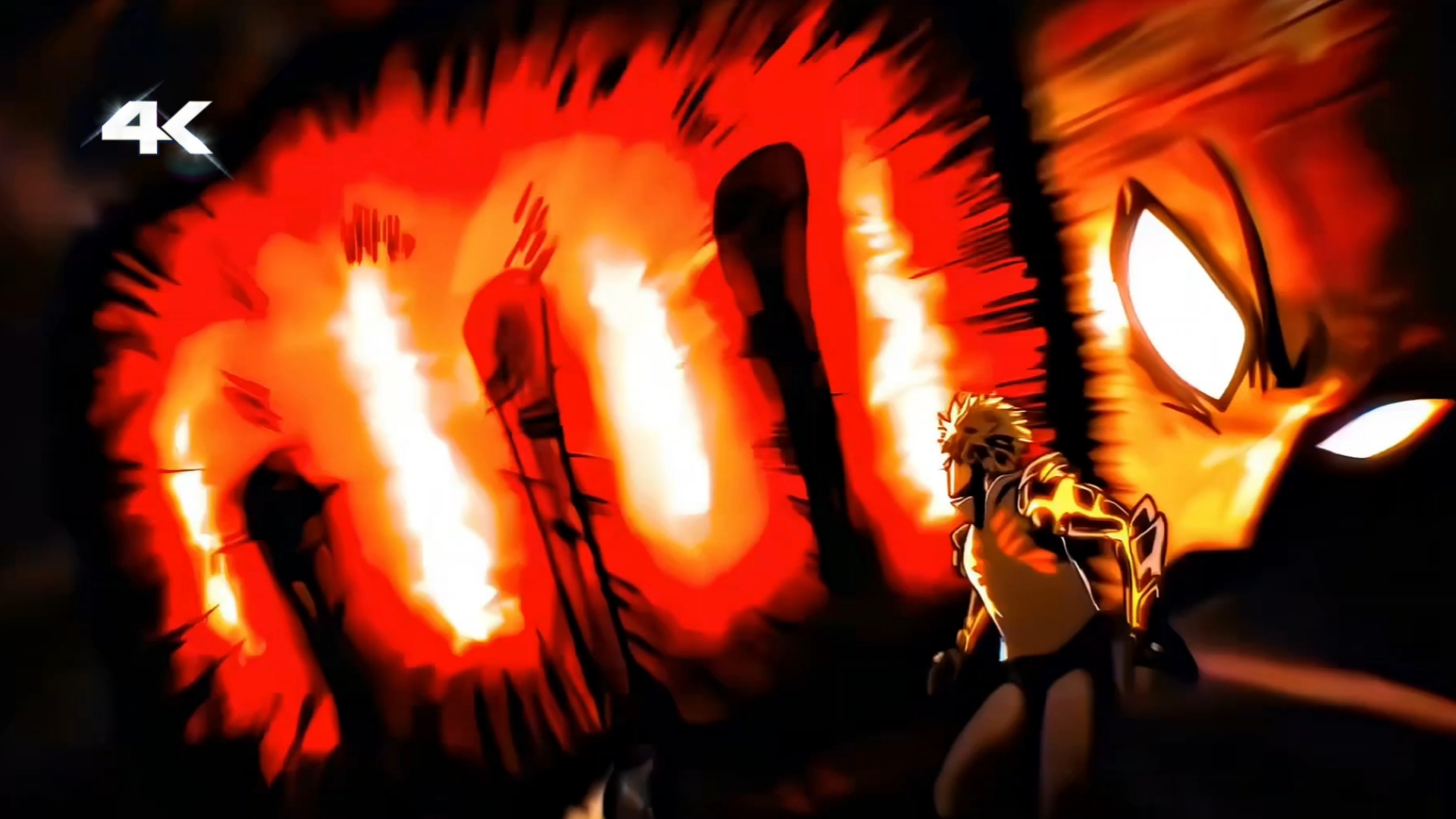
Saitama Twixtor Clips
Saitama – The One Punch Hero
Saitama, the protagonist of One Punch Man, stands as one of the most unconventional heroes in anime history. Unlike typical shonen characters who struggle, grow, and overcome limits through perseverance, Saitama has already reached the pinnacle of power — to the point where no opponent can challenge him. Known as the “One Punch Man,” he can defeat any enemy with a single blow. But beneath that overwhelming strength lies a surprisingly human story about boredom, identity, and the true meaning of being a hero.
Saitama’s journey began as an ordinary man. Once an unemployed and unmotivated citizen living in Z-City, he found himself aimless in life. Everything changed when he encountered a monstrous crab creature attacking a child. Despite his fear, Saitama chose to fight back — not for fame or glory, but simply because it “felt right.” That moment reignited his childhood dream of becoming a hero. After this event, he began an intense self-training regimen that, according to him, consisted of “100 pushups, 100 sit-ups, 100 squats, and a 10 km run every day.” Though the routine sounds absurdly simple, it somehow granted him limitless strength, rendering him the strongest being alive.
Three years later, Saitama had gone bald from training but gained power beyond comprehension. Monsters, demons, aliens — none could withstand even a single punch. While this godlike strength might seem like the ultimate gift, it became his curse. Every fight ended in one strike, leaving Saitama feeling empty and disconnected. The thrill of combat, the struggle to win — all the things that make heroism exciting — were gone. Instead of living a fulfilling life as a superhero, he was trapped in monotony, yearning for a challenge that no longer existed. Saitama Twixtor ClipsSaitama Twixtor Clips Saitama Twixtor Clips Saitama Twixtor Clips Saitama Twixtor Clips Saitama Twixtor Clips Saitama Twixtor Clips Saitama Twixtor Clips Saitama Twixtor Clips
Saitama’s characterization brilliantly parodies traditional hero tropes. In most anime, the protagonist strives to overcome impossible odds. But Saitama’s story flips that idea — he has already won. His greatest enemy isn’t a villain but boredom. Despite possessing infinite power, he feels unfulfilled because there’s no one left to test his limits. This existential loneliness adds depth to his comedic persona. His expressionless face and deadpan reactions to world-ending threats create both humor and melancholy. The stronger he becomes, the more he loses touch with excitement, purpose, and even human connection.
Yet, despite his apathy, Saitama never abandons his moral compass. He continues saving people not for recognition but because he genuinely believes it’s the right thing to do. In a world where heroes chase fame, rankings, and money, Saitama’s selflessness stands out. When he joins the Hero Association, he starts at the bottom, unrecognized and underestimated. Many dismiss him as a fraud because his battles end too quickly for anyone to witness his power. Still, he never complains or brags — he remains humble, uninterested in titles or public approval. This humility contrasts sharply with other heroes like Amai Mask or even Genos, his devoted disciple, who admire strength and reputation.
His relationship with Genos, the young cyborg hero, adds heart to the story. Genos idolizes Saitama, seeing him as the ultimate warrior and mentor. But Saitama treats him casually, offering life advice that’s often simple yet profound. Their interactions bring humor and warmth, showing that beneath his lazy attitude, Saitama values companionship — even if he rarely admits it.
Saitama’s battles, while brief, are visually spectacular and symbolically powerful. Whether facing the Deep Sea King, Boros, or Garou, each fight represents a philosophical conflict — not just of power, but of ideals. Boros, for example, was a galactic conqueror who, like Saitama, sought a worthy opponent. Their clash revealed the emptiness that comes with limitless strength. When Saitama defeats Boros, it’s not a victory filled with joy but a somber reminder that his struggle for meaning continues.
In the end, Saitama’s story is more than just about invincibility. It’s a reflection on purpose, loneliness, and the search for excitement in a world that has nothing left to offer. His humor, simplicity, and philosophical depth make him a uniquely compelling protagonist — a hero who can destroy any enemy with one punch, yet still battles the one foe he can’t defeat: his own boredom.
Saitama isn’t just a parody of shonen heroes; he’s a mirror showing that ultimate power doesn’t guarantee happiness — and that sometimes, the greatest strength lies in staying true to yourself, even when the world doesn’t notice.