
♦ANIME WORLD TWIXTOR CLIPS♦
Download Anime Twixtor for Edits : https://www.animeworldtwixtor.com/popular-anime-twixtor/
Download Free Movies Clips & Twixtor For Edits : https://moviestwixtor.com/
Download Anime Clips For Edits : https://www.animeworldtwixtor.com/anime-clips-raw/
Subscribe to Youtube Channel For More Clips & Twixtors : https://www.youtube.com/@Animeworld_ss
Text Me on Instagram To Request Twixtor / Clips / Promotion : RDJ EDITS / ANIMEWORLD
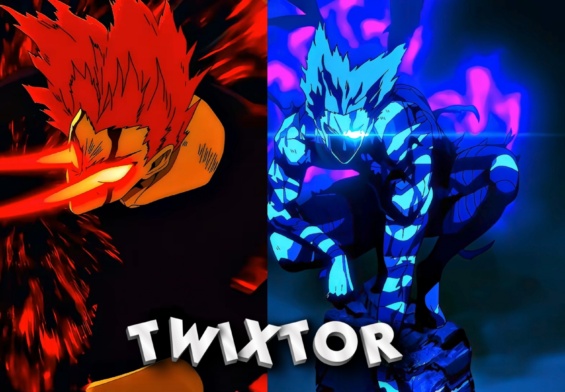
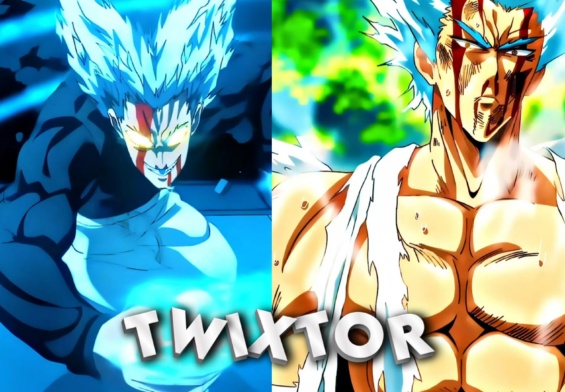
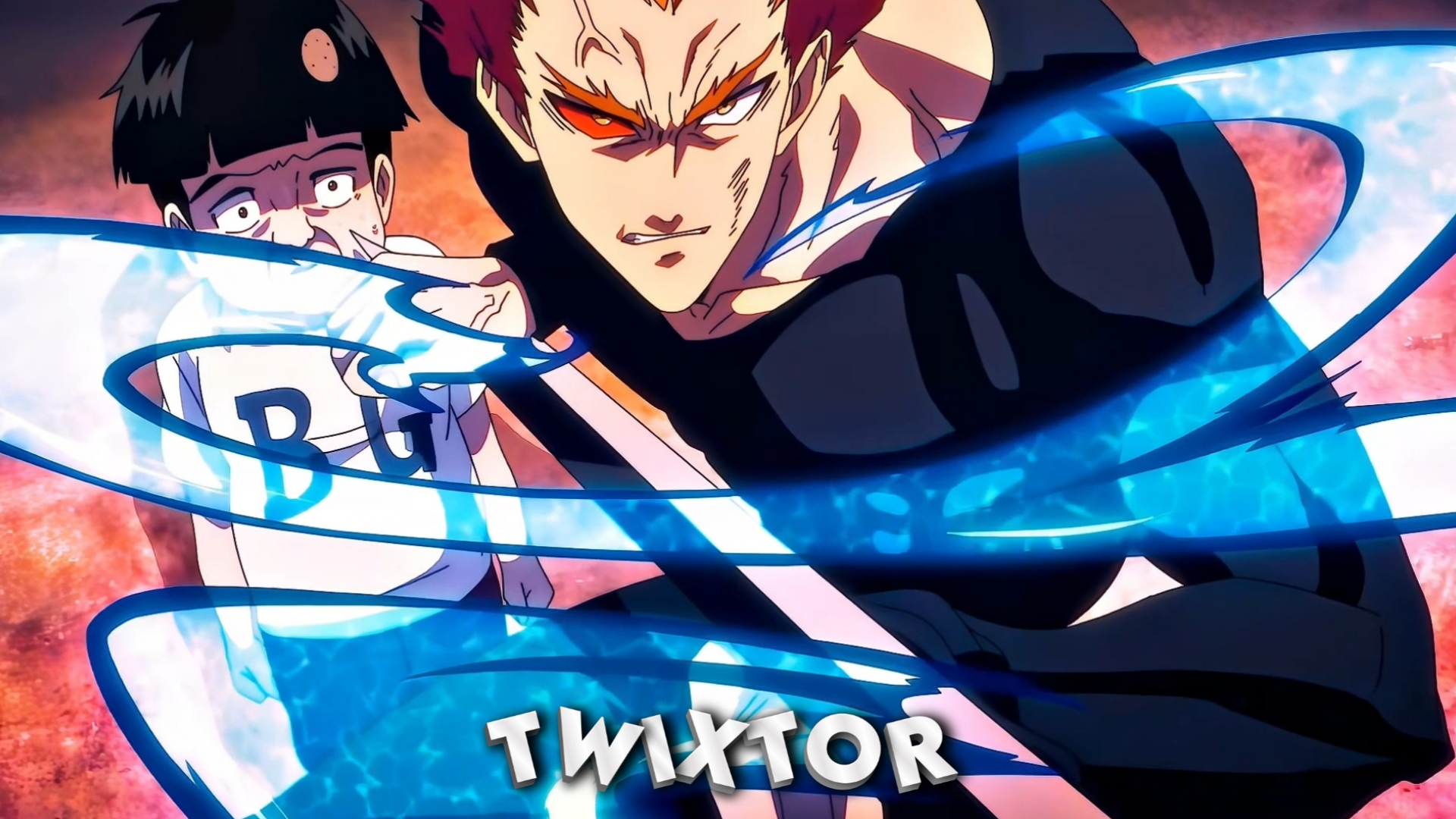
Garou Season 3 Twixtor
Garou, the “Hero Hunter” from One Punch Man, stands as one of the most fascinating and complex characters in the entire series. Created by ONE, Garou is a martial arts prodigy turned villain, whose ideology and evolution make him more than just an antagonist. He’s a symbol of rebellion against the world’s hypocrisy, a man who seeks to redefine the meaning of justice — even if it means becoming the very monster he despises. Garou Season 3 Twixtor Garou Season 3 TwixtorGarou Season 3 Twixtor Garou Season 3 Twixtor Garou Season 3 Twixtor Garou Season 3 Twixtor Garou Season 3 Twixtor Garou Season 3 Twixtor Garou Season 3 Twixtor Garou Season 3 Twixtor
At first glance, Garou appears ruthless and violent. He suddenly begins attacking professional heroes across the Hero Association, earning the title “Hero Hunter.” His purpose, however, isn’t simple destruction — it’s to challenge the concept of heroism itself. Garou believes that society’s admiration of heroes is one-sided and unjust. In his eyes, monsters are merely the losers of the story, crushed under the weight of a system that labels them evil without understanding their circumstances. This twisted ideology makes him a unique villain — not one who fights for chaos, but one who fights for balance.
Garou’s backstory reveals the roots of his worldview. As a child, he was bullied for sympathizing with monsters. While other kids idolized heroes, Garou felt pity for the monsters who always lost. The defining moment came when he played a mock hero game with his classmates and was ganged up on, made to play the monster and beaten for it. This traumatic experience planted a deep resentment within him. From that day, Garou vowed to become the ultimate monster — a being strong enough to challenge the entire system that glorified heroes.
Under the mentorship of Silver Fang (Bang), Garou honed his martial arts skills to near perfection. However, his disdain for heroes and society’s hypocrisy eventually led him to turn against his master and the dojo. After leaving, he began his campaign of hunting heroes, defeating them one by one with skill, intelligence, and sheer willpower. What made Garou especially terrifying was that he never relied on brute strength alone — his adaptability and tactical mind allowed him to read his opponents’ moves and counter them effectively.
Throughout his journey, Garou evolves from a man with ideals into something truly monstrous — both physically and mentally. Each battle pushes him beyond his limits, forcing him to grow stronger and harder to defeat. Even after facing powerful heroes like Tanktop Master, Genos, and Bang himself, Garou refuses to surrender. He keeps rising, his body adapting like a living weapon. This relentless spirit makes him both admirable and frightening.
His encounters with Saitama, however, redefine his entire character arc. Against Saitama, the man who can defeat anyone with one punch, Garou’s philosophy meets its ultimate test. No matter how strong he becomes, he cannot overcome Saitama’s effortless power. But instead of being humiliated, Garou’s perspective shifts. Saitama’s lack of arrogance and genuine compassion for others make Garou question everything he believed about heroes. The final fight between them isn’t just physical — it’s ideological.
At the peak of his transformation, Garou becomes “Cosmic Fear Mode Garou,” after receiving power from the entity known as God. This form grants him divine strength, allowing him to manipulate cosmic energy and imitate Saitama’s moves. For a brief moment, Garou achieves his dream of becoming a being beyond humanity — a godlike monster. Yet, this ultimate power comes at the cost of his humanity. Deep down, Garou realizes that this path only leads to destruction. It’s Saitama’s empathy, not his strength, that ultimately brings Garou back to himself.
In the end, Garou’s story isn’t about villainy — it’s about conflict, pain, and the search for purpose. He wanted to change the world’s unfairness but chose a path of violence and isolation to do so. His journey reflects the tragic irony of a man who wanted to be understood but became a monster to make his point. Despite all his sins, Garou isn’t truly evil. He’s a mirror reflecting the flaws of the hero system and the cruelty of human society.
Garou’s legacy in One Punch Man lies in his complexity. He is both the antagonist and the antihero, a man who forces heroes to question their values and the audience to reconsider what “good” and “evil” really mean. In the end, Garou’s strength doesn’t just come from his body — it comes from his conviction, his pain, and his refusal to accept a world defined by simple black and white morality. Through Garou, One Punch Man delivers a powerful message: even monsters can have a heart, and even heroes can lose their way.